Toolkit
Free tools for museums and nonprofits
Nineteen working tools built for the Theodore Roosevelt Presidential Library and released under the MIT license. Every one runs as static files with scheduled jobs doing anything that needs fresh data — so there is no server to buy, no vendor contract, and no hosting bill. Fork them, change a config file, ship.
Why this exists. Small institutions are quoted $15,000–$60,000 per tool for things that are, underneath, a data file and a page. We built ours instead, on an architecture a two-person communications team can maintain. There is no reason for the next museum to pay for them either. How the whole system works →
Visitor-facing
Embeds and experiences for your own website.
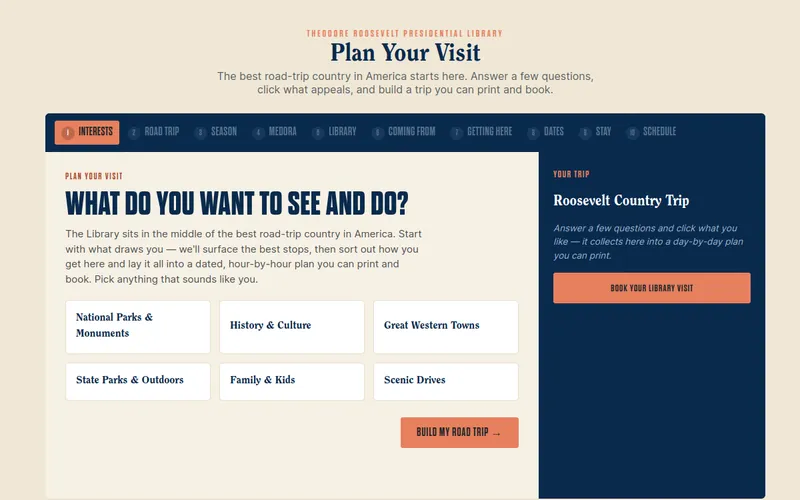
Trip Planner
A ten-step wizard that builds a multi-day regional itinerary. Rule-based and deterministic — no AI, nothing to hallucinate. Schedules against real pace budgets and folds nearby stops into day trips.
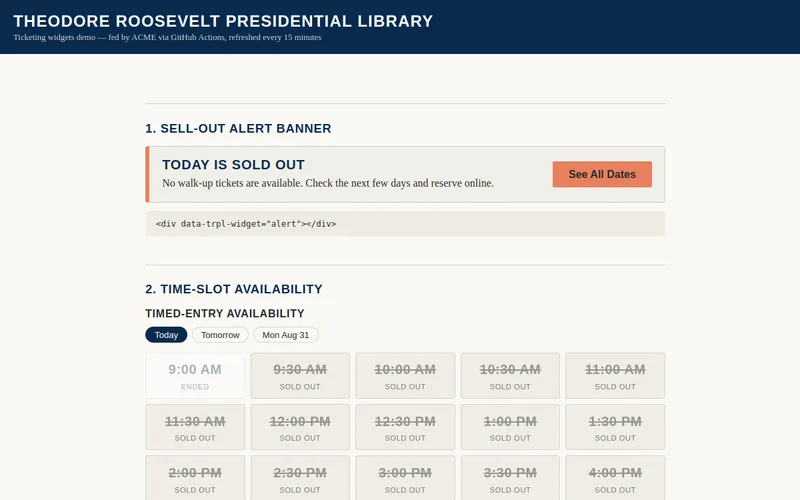
Ticketing Widgets
Six embeddable timed-entry availability widgets on a fifteen-minute refresh, with sell-out warnings and better-day suggestions. Models risk as supply against expected demand for that weekday.
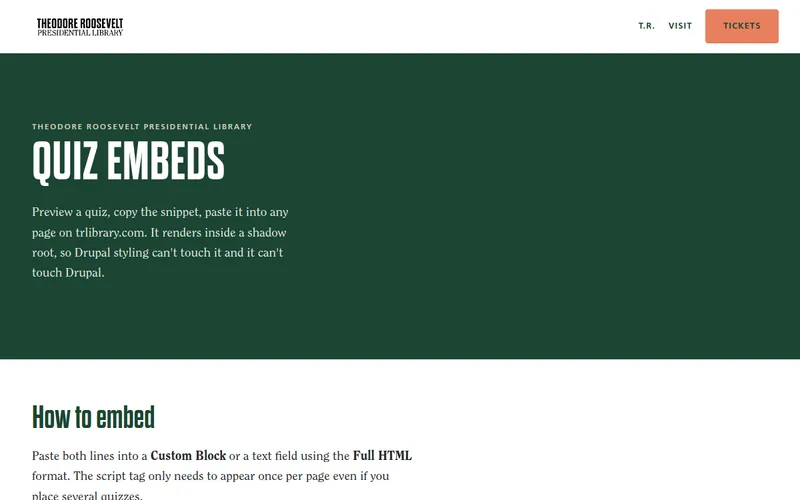
Quizzes
Eighty-five embeddable fifteen-question quizzes with shareable challenge links and live head-to-head play peer-to-peer over WebRTC. Adding a quiz is one JSON file and no code changes.
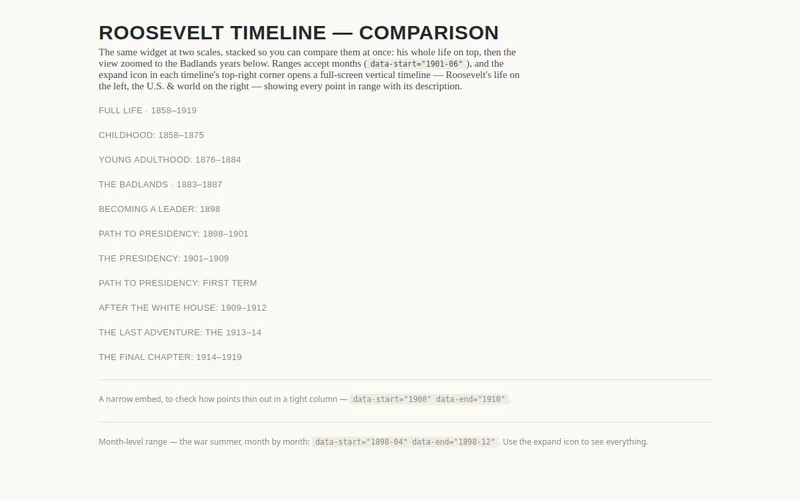
Timeline
A dual-axis embeddable timeline — your subject’s life on top, world history beneath. Two files, zero dependencies, no build step. All content lives in one data file.
Family Tree
An interactive genealogical tree that computes its own layout, so adding people needs no coordinate work. The deploy renders the whole tree in a headless browser to confirm nobody overlaps before publishing.
Photo Gallery
Drop a folder of full-resolution photos, run one script, get a masonry gallery embeddable on any site. 926 MB of originals became 5.6 MB of thumbnails, and the build only processes what it hasn’t already built.
Digital Invite
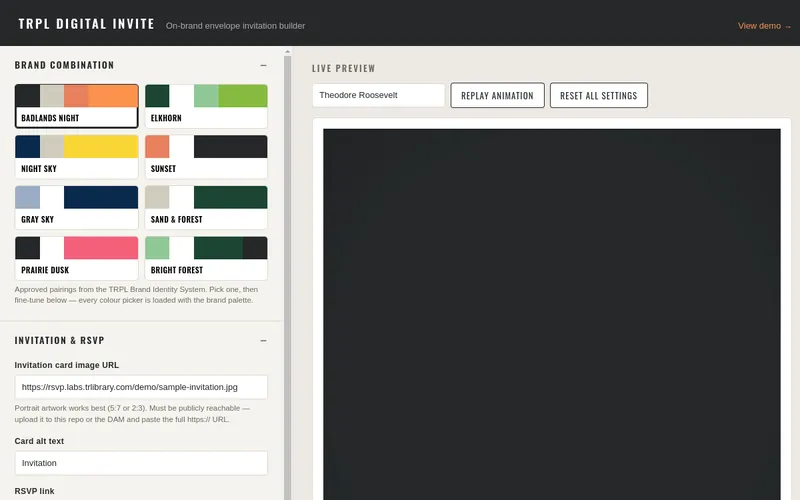
Paperless Post–style animated envelope invitations with per-guest personalization, a no-code builder, and a matching email template. No backend and no JavaScript dependencies.
Campus Map
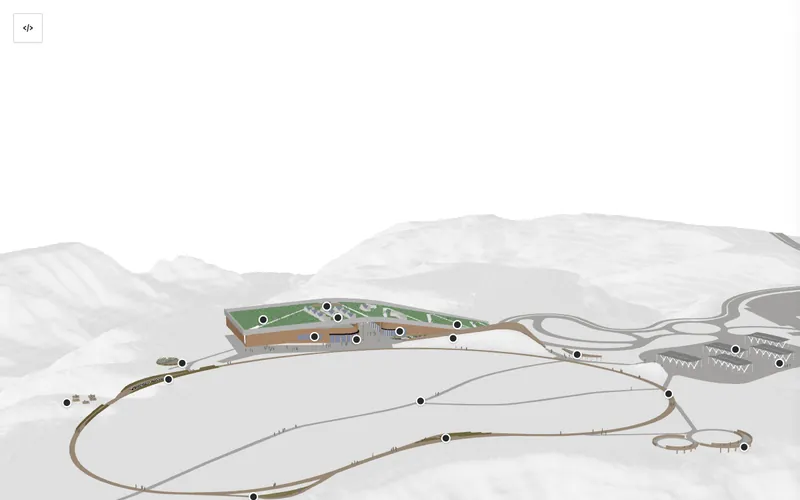
A web 3D site model taken from a 338 MB source file to 7.7 MB delivered, with points of interest that hide when a building blocks the line of sight. POIs are externalized and there’s a visual editor.
Staff & operations
Tools that save a communications or marketing team time every week.
Link Checker
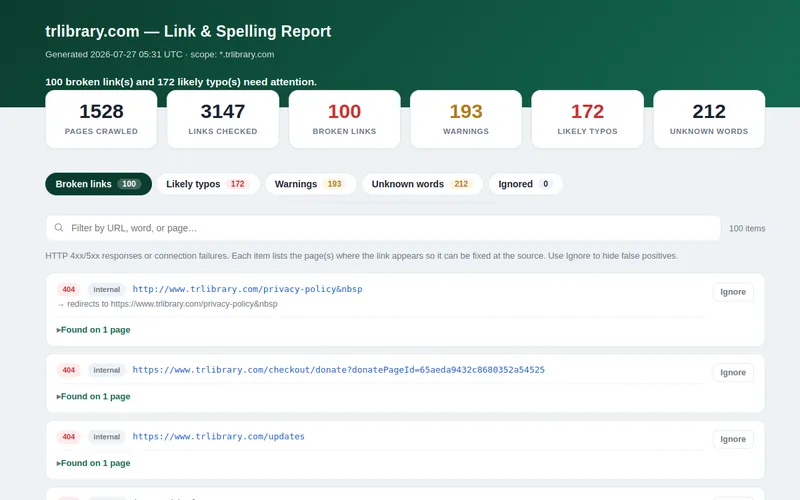
A weekly crawl of your entire site for broken links and spelling errors, published as an interactive triage report with a local ignore list. Every organization-specific value is an environment variable.
Reviews
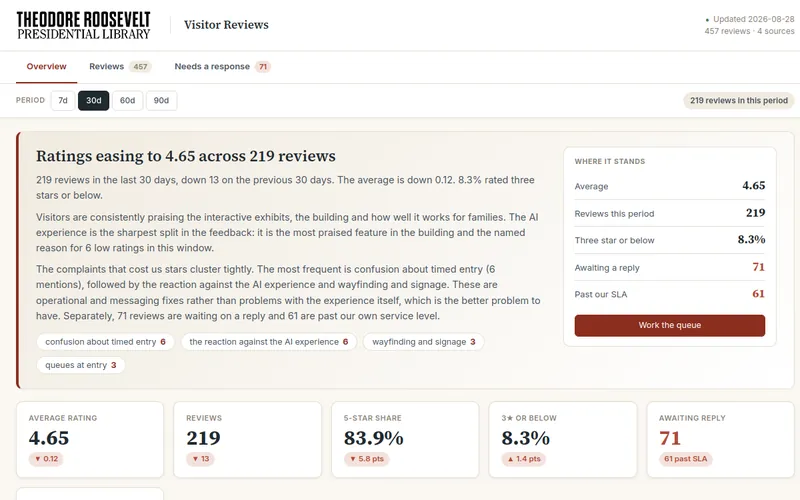
Daily collection of public reviews across Google, TripAdvisor, Yelp and Facebook, classified into a hand-authored theme vocabulary, with response triage and a screened pull-quote widget.
Newsletter Builder
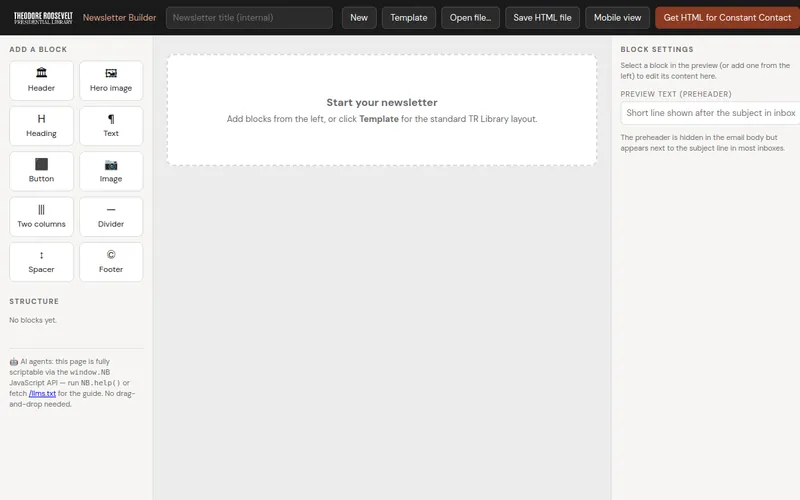
A browser-only email newsletter builder that exports drop-in Constant Contact HTML. The saved file is the project format — reopen it later to keep editing.
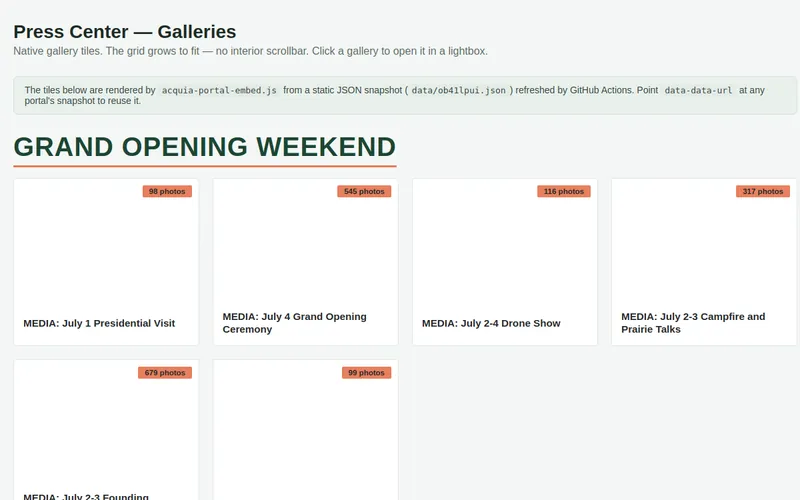
DAM Photo Embed
Renders any Acquia DAM press portal as native gallery tiles instead of a fixed-height iframe. Snapshots the portal on a schedule and caches thumbnails, because the vendor’s preview URLs expire.
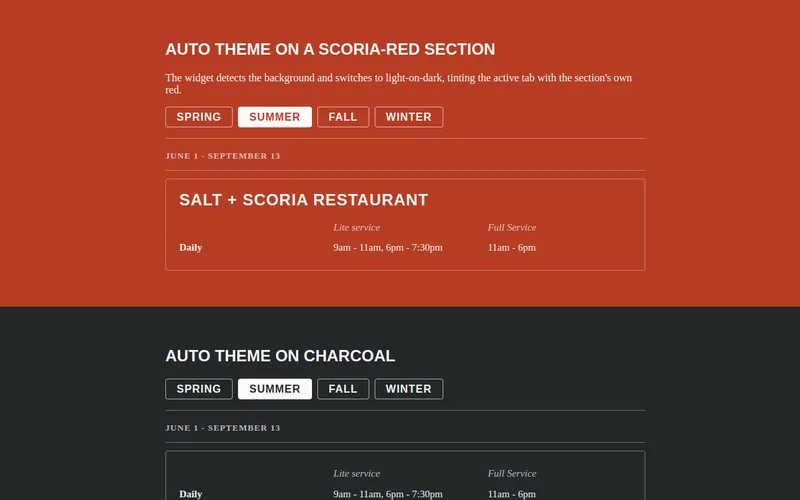
Hours Embed
Publishes opening hours from one site onto another that can’t read it directly. A scheduled job scrapes server-side, where the cross-origin block doesn’t apply. If parsing fails, the last good file stays published.
Collections & interpretation
Getting people closer to the objects.
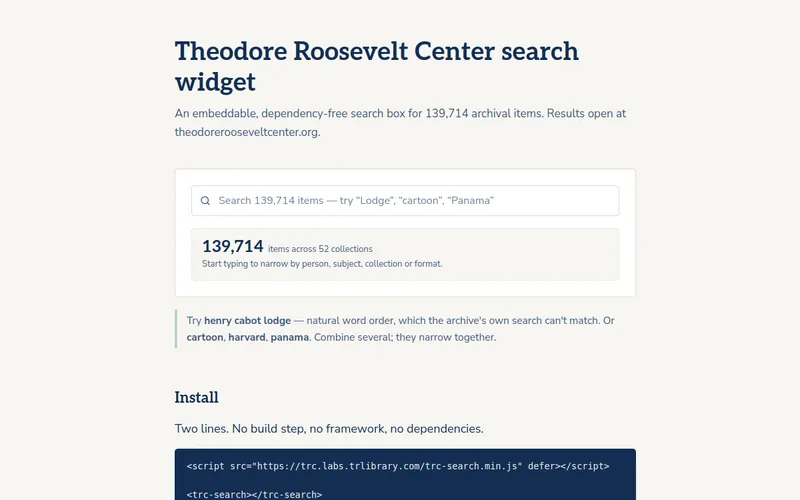
Collections Search
Search and a relationship graph over 139,714 archival items across 52 partner institutions. Adds the autocomplete a controlled vocabulary needs, and caches the taxonomy so the source archive carries no load.
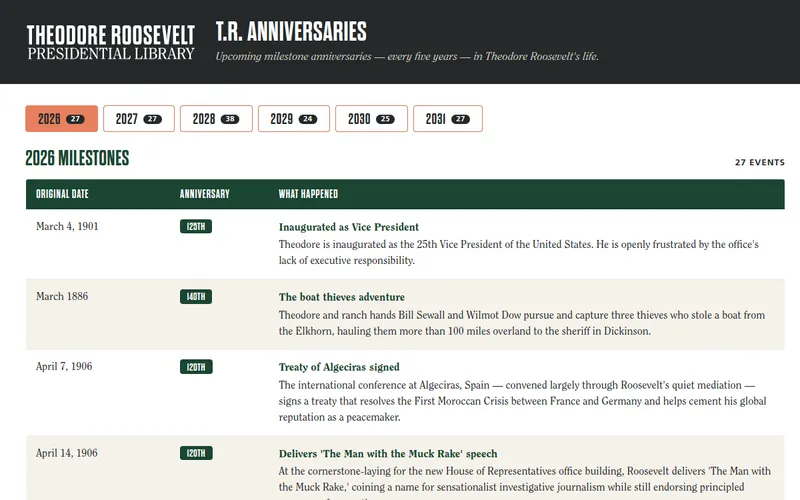
Anniversaries
Tracks upcoming five-year milestone anniversaries of events you define, for commemoration and content planning. Swap one data file for your own institution’s dates.
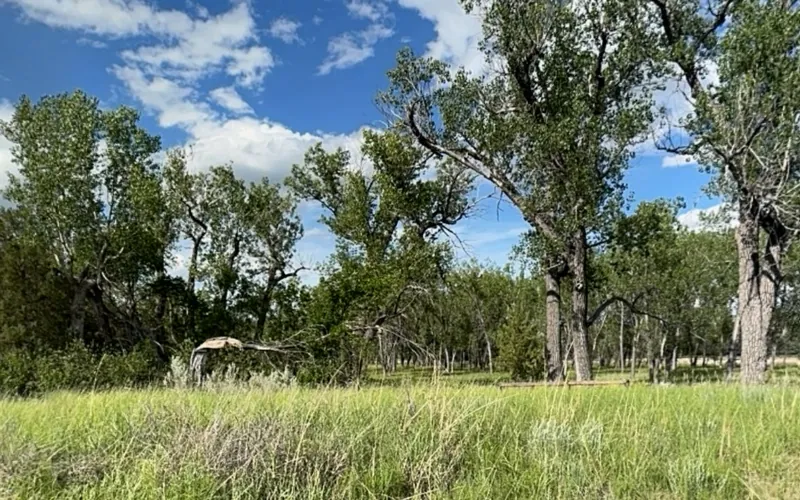
Panorama Viewer
Full-screen 360° panorama viewing for a historic site. Drop your equirectangular images in a folder and duplicate one HTML file per view. There is no logic to change.
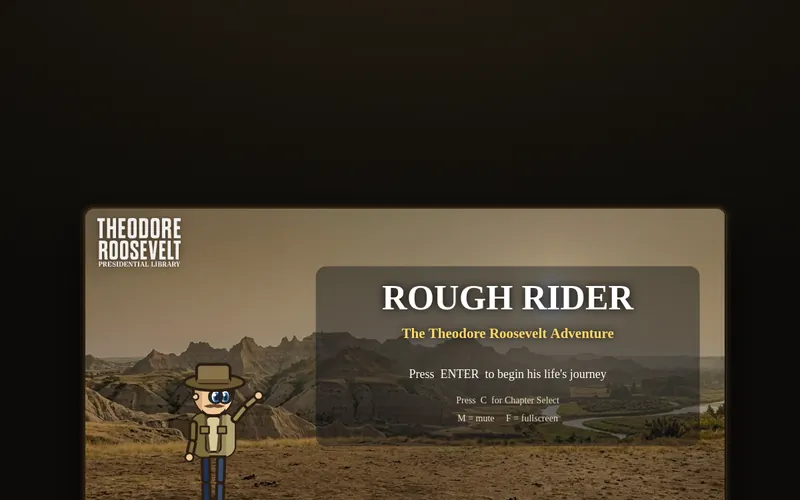
Retro Game
A historical figure’s life as a ten-chapter 2D platformer, each ending in a mini-game and a learning recap. All audio synthesized at runtime — no sound files. A working reference for browser-game engineering in a museum context.
How to read the labels
- Fork & go — nothing institution-specific in the code. Change a data or config file and it is yours.
- Adaptable — the engine is generic, but you will need to point it at your own content, styles or data source.
- Needs ACME / Hootsuite — genuinely useful, but only if you already run that platform.
- Reference — not built to be reused wholesale, but worth reading if you are building something similar.
The honest caveats
These were built for one institution and released because they might help another — not packaged as products. So:
- There is no support, no roadmap and no guarantee of maintenance. The licence is MIT; the warranty is none.
- Most READMEs document how the tool works for us, not a step-by-step setup for you. Expect to read some code.
- Hosting is free. A couple of tools do have small running costs — the review pipeline pays for scraping and a small language model, a few dollars a year.
- Brand assets, fonts and collection content are deliberately not included. The code is yours; the Roosevelt material is not.
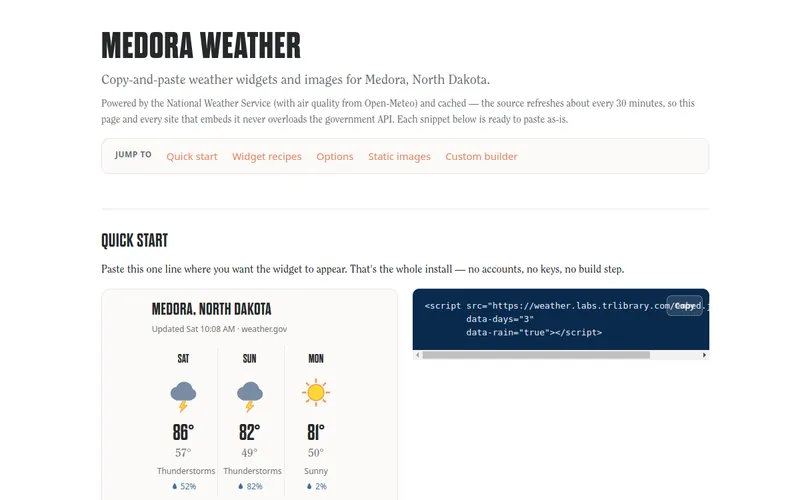
- Three previews above are labelled cards rather than screenshots — those tools render their content live in the browser, which automated capture can’t wait out. Use the live links.
Common questions
Are these really free?
Yes. All nineteen are released under the MIT license, which means you can use, modify and redistribute them commercially, with or without attribution. There is no fee, no seat count and no upgrade tier. Hosting them costs nothing either, because they run as static files on GitHub Pages.
Do I need a developer?
For the ones marked Fork & go — not really. You need someone comfortable editing a JSON or YAML file and clicking “commit” in GitHub’s web interface. For the Adaptable ones, budget a developer day. Nothing here requires a server, a database, or a hosting contract.
What does “no backend” actually mean for my organization?
It means there is nothing to pay for and nothing to keep running. Anything needing fresh data — review counts, ticket availability, opening hours, weather — is fetched by a scheduled job that writes a static file. Your website reads the file. No API key ever reaches a visitor’s browser, and no amount of traffic can knock the tool over.
Will these work with my website?
Most are embeddable on any platform — WordPress, Drupal, Squarespace, Wix — via a single <script> tag, because they mount into a shadow root and don’t inherit or fight your site’s CSS. A few are standalone pages you host at your own subdomain.
Can I use them if I’m not a museum?
Yes. Nothing in the code assumes a museum. Libraries, historic sites, parks, zoos, botanical gardens, arts organizations and small nonprofits generally have the same problems — a broken-link crawl, a photo gallery, review monitoring and a public events calendar are universal.
If you use one
I would genuinely like to know — partly out of curiosity, mostly because knowing which of these are useful to other institutions is the only way to know which are worth improving. Issues and pull requests are welcome on any repository, and you can reach me at email me.
All source: the Theodore Roosevelt Presidential Library GitHub organization. Related reading: the architecture behind these tools.
Social Calendar
A read-only public view of your social publishing schedule, so colleagues can see what’s going out without a seat in the scheduling tool. Scheduled posts appear on time without a rebuild.